The Time of Abundance in Oldstead: An Interview with Head Gardener, Ed
As summer approaches in the rolling landscape of Oldstead, the gardens enter what we call “the time of abundance” – a fleeting but extraordinary season when the kitchen garden overflows with colour, flavour and life. From sun-ripened tomatoes and fragrant herbs to edible flowers and heritage vegetables, this is the moment when months of careful planning and nurturing finally come together.
In this interview, Head Gardener, Ed shares what makes this period so special at Oldstead, how the changing Yorkshire seasons shape the gardens, and why abundance is about far more than simply harvesting produce. Discover how the rhythms of nature influence every part of life at Oldstead, the challenges and rewards of growing sustainably, and the deep connection between the garden, the kitchen and the landscape itself.
What does the “Time of Abundance” mean to you personally as a gardener in Oldstead?
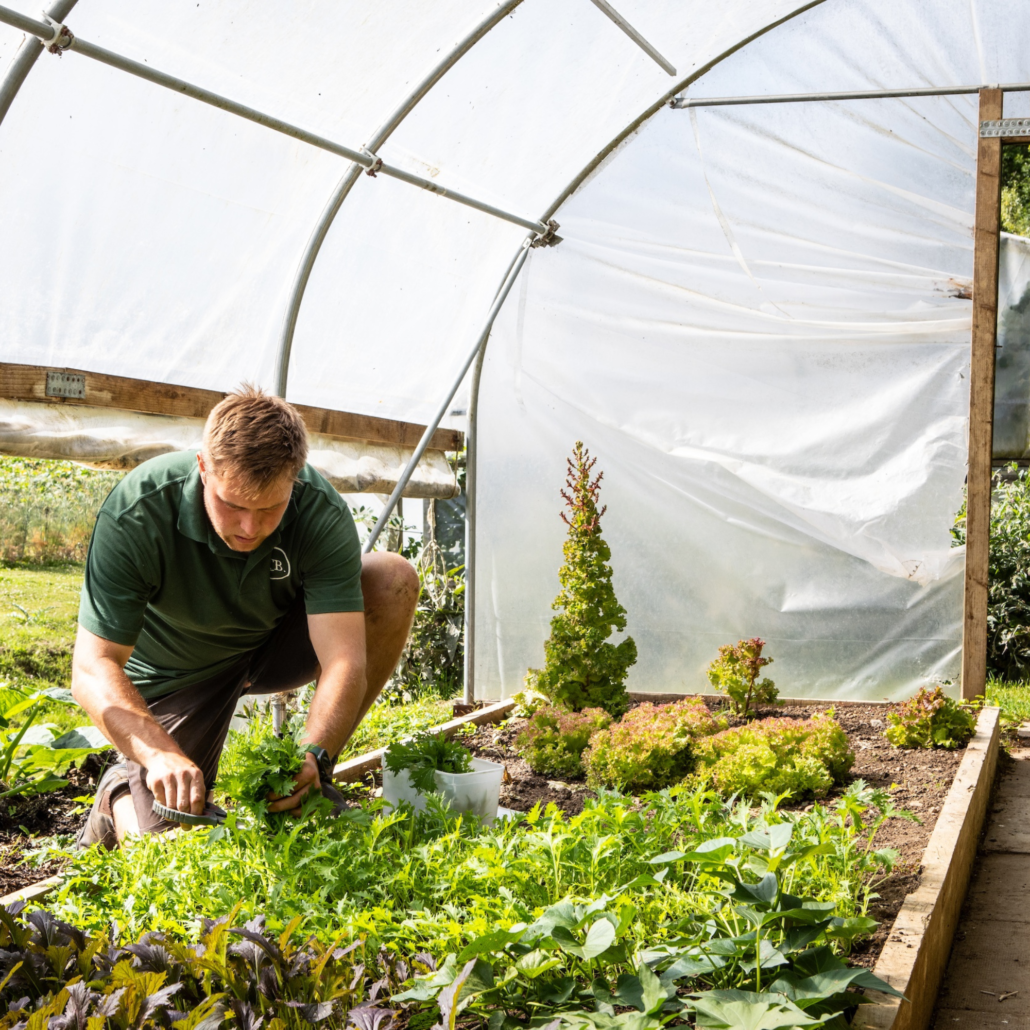
For me, the Time of Abundance is the point in the year when everything comes at once. After months of planning, sowing and nurturing crops through the colder months, suddenly the garden is overflowing. In one sense, it’s the easiest time of year because you have everything you could possibly want at your fingertips. But at the same time, it’s incredibly busy because so much of the day is spent harvesting and keeping up with the sheer volume coming through the garden. It’s rewarding because you really see the results of all the work that’s gone into the season.
Which crops or ingredients truly define abundance on the farm during the summer months?
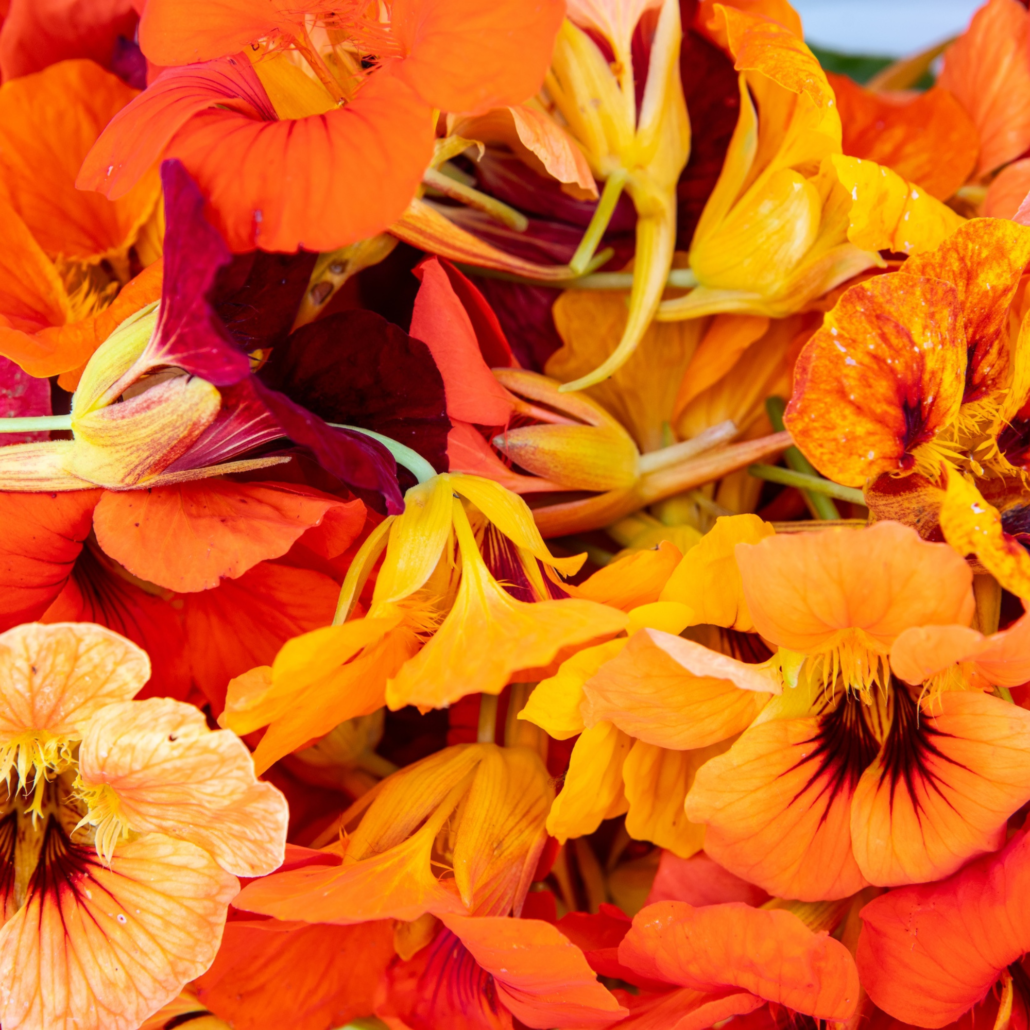
Tomatoes are probably the biggest sign that abundance has arrived, especially Sungolds. Once they start producing properly, it feels like summer has truly landed. Courgettes are another one — there’s always a massive glut of courgettes at this time of year. But for me, abundance is also about the huge variety of smaller crops we grow. We have masses of leaves, herbs and flowers like nasturtiums that really fill the garden with colour and texture. It’s not just one crop, it’s the diversity of everything growing together.
How does the garden change visually and practically between the Hunger Gap and the Time of Abundance?
At the start of the Hunger Gap, there’s very little in the garden and things can feel quite bare. Then towards the end of it, you start seeing the first shoots and signs of new life coming through. By the beginning of the Time of Abundance, the whole place suddenly turns green and feels full again. As the season progresses further, the flowers arrive, the currants appear on the bushes and everything becomes much more colourful and alive. Practically, the work changes too — you move from preparing and waiting into constant harvesting, maintaining and managing growth.
Are there any ingredients that surprise people by thriving particularly well in the Oldstead climate?
Apricots are probably the best example. People are always surprised that we can grow them successfully in North Yorkshire, but we had a fantastic crop last year. Because people imagine the climate here to be cold and grey, they don’t expect to see fruit like that thriving. It’s always satisfying proving that certain crops can work really well here with the right care and conditions.
During peak season, how do you manage the sheer volume of produce coming through the gardens?
To be fair, all the businesses take the bulk of what we grow, which helps massively. Most things are harvested and used very quickly while they’re at their best. There are only a few crops that we actively preserve or store. Onions, for example, are stored for use through winter. Rhubarb at the moment is being preserved into rhuboshi, and herbs like lovage can go wild during summer, so we preserve those into green oils. It’s all about making the most of the season and ensuring as little as possible goes to waste.
Are there any heritage or unusual varieties you love growing at Oldstead that people might not recognise?
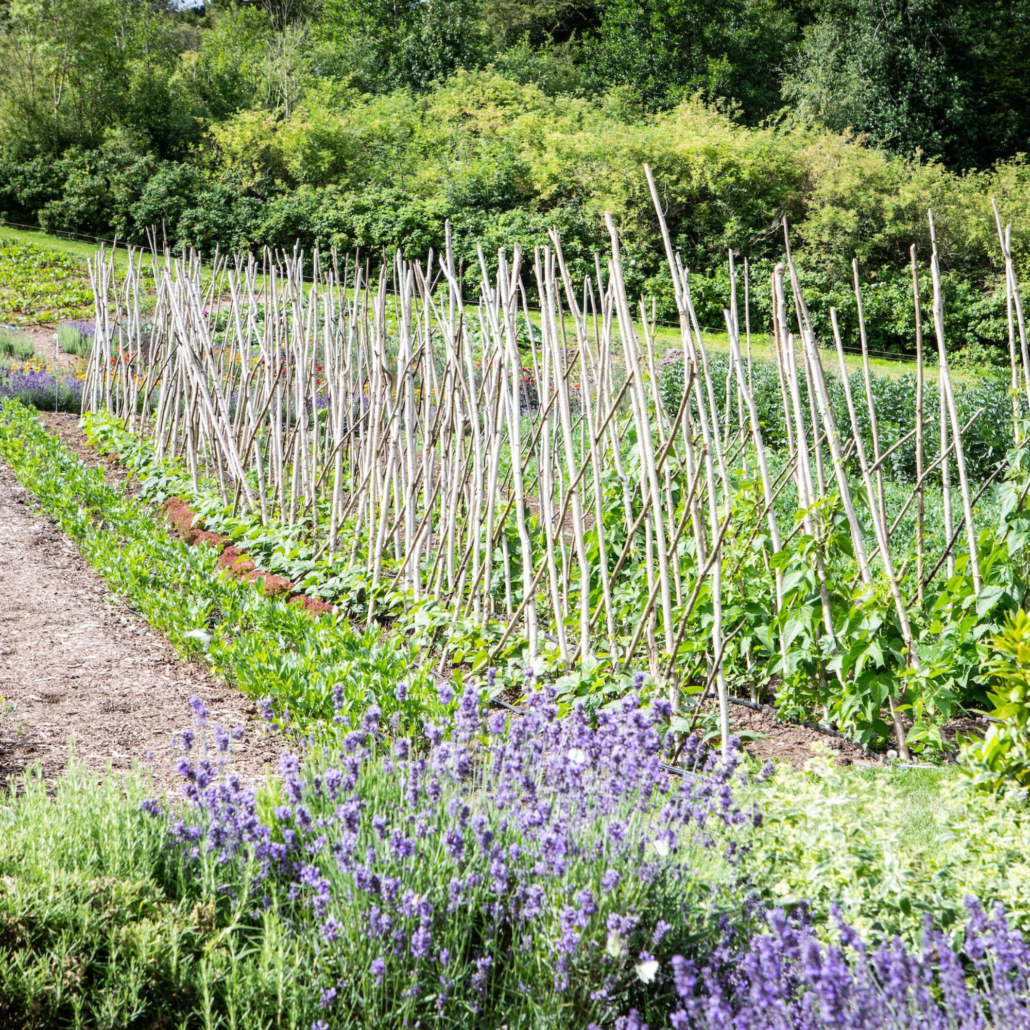
We only grow Hurst Green Shaft peas at Oldstead because they’re our favourite variety. They produce really good, big pods and crop reliably through most of the season. This year we’re also trying a few different tomato varieties, including Chocolate Cherry tomatoes, which we’re excited about. It’s always nice experimenting with different varieties and seeing what works well in our conditions.
How closely do you work with the Made In Oldstead chefs when planning what gets planted and harvested?
We work very closely with the chefs throughout the year. There’s always an ongoing conversation about what ingredients they’re excited about using, what worked particularly well in previous seasons and what new things we’d like to trial. At the same time, the garden naturally influences the kitchen too — sometimes a crop thrives unexpectedly and inspires new ideas on the menu. It’s a really collaborative relationship between the garden and the Made In Oldstead team.
What’s one ingredient at its absolute best during the Time of Abundance that you wish more people appreciated?
Fresh green garlic. I wish the chefs would use more of it! People are so used to dried garlic, but green garlic has a much punchier, fresher flavour. At this time of year it’s incredible straight from the garden and feels much more vibrant than the dried version most people know.
Can you describe a typical summer morning in the gardens at Oldstead?
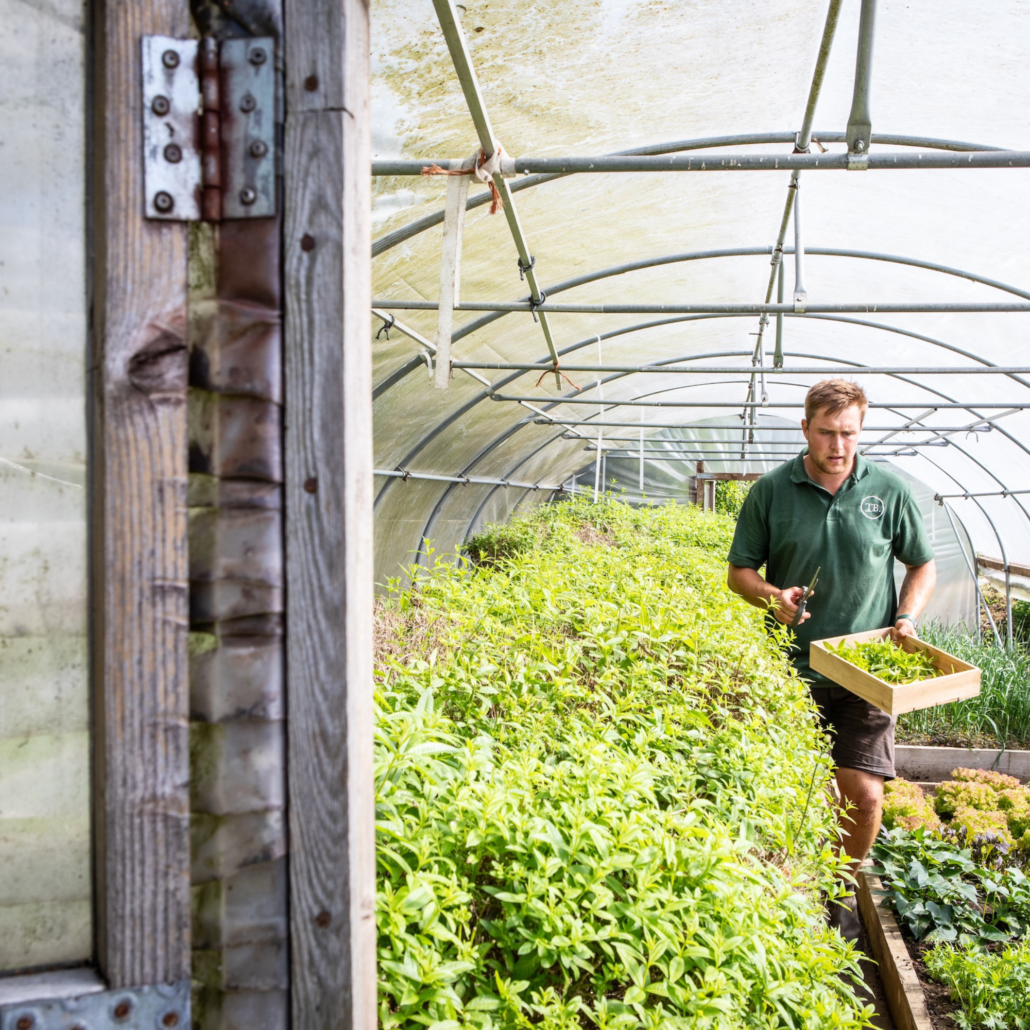
During summer we try to start picking as early as possible, usually working through until lunchtime while the garden is still cooler. Afternoons are then spent hoeing, weeding, tidying beds and keeping everything maintained. At this time of year the garden grows so quickly that you constantly have to stay on top of it.
Looking around the farm during this season, what makes you feel most proud of the work the team does?
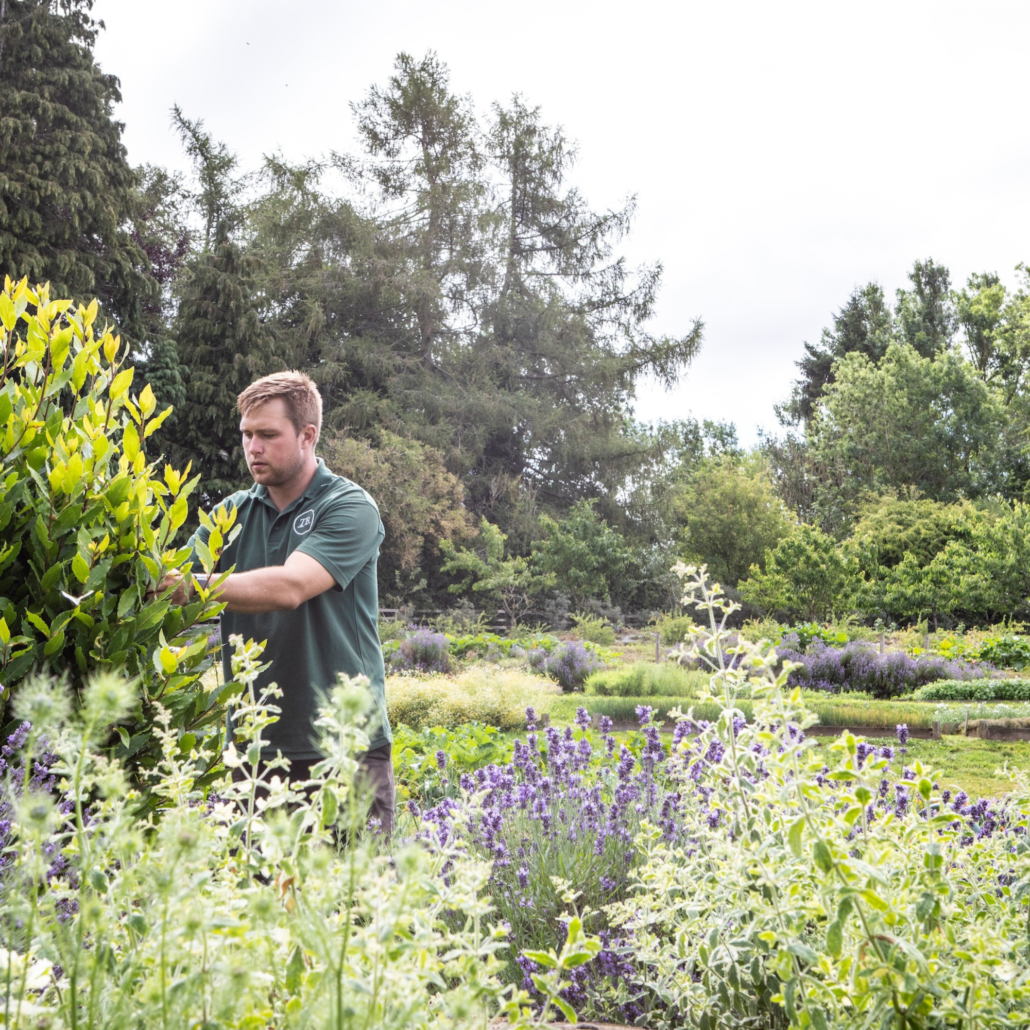
Seeing the garden with its whole new layout is probably the moment that makes me proudest. The team works incredibly hard not only to grow great produce but also to make the gardens look as beautiful as they can. People often don’t realise the sheer amount of work involved in maintaining the aesthetic side of the garden while also keeping everything productive. During the Time of Abundance, when everything is full and thriving, you really get to appreciate what the team has achieved together.